Integrating 3 Leaf Procreate Stamps Session 4 into Your Digital Illustration Workflow
In the fast-paced world of digital illustration, efficiency is often just as critical as artistic talent. For professionals, hobbyists, and content creators alike, the ability to maintain a consistent visual style while meeting tight deadlines requires a toolkit that balances flexibility with speed. This is where specialized assets like 3 Leaf Procreate Stamps Session 4 become invaluable. Rather than viewing these tools as mere shortcuts, successful artists integrate them as foundational elements of a broader creative process. Understanding how to effectively incorporate these leaf stamps into your workflow can transform repetitive tasks into streamlined operations, allowing you to focus more on composition, lighting, and narrative.
The Role of Specialized Stamps in Modern Digital Art
Digital art has evolved from simple sketching apps into complex production environments. Whether you are designing backgrounds for animation, creating assets for indie games, or illustrating children’s books, consistency and texture are paramount. Hand-drawing every individual leaf in a dense forest scene is not only time-consuming but can also lead to visual fatigue and inconsistency. By utilizing pre-made stamps, you establish a baseline of quality that remains uniform throughout the project.
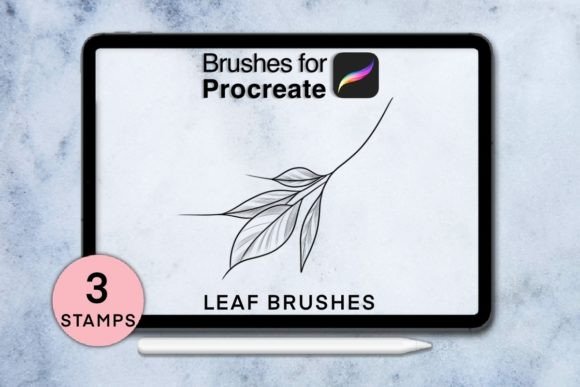
3 Leaf Procreate Stamps Session 4 fits into this ecosystem by providing high-quality, ready-to-use botanical elements. These are not generic clip-art replacements; they are designed to interact with the native capabilities of Procreate, such as pressure sensitivity and layer blending modes. When used correctly, they serve as building blocks. You lay down the structure using these stamps, then refine, recolor, and composite them to match your specific artistic direction. This hybrid approach—combining asset usage with manual refinement—is a hallmark of professional digital workflows.
Preparation and Technical Compatibility
Before diving into creation, it is essential to ensure your technical environment is optimized for these assets. The 3 Leaf Procreate Stamps Session 4 set is delivered as an instant download, meaning there is no physical shipping involved. Upon purchase, you receive a ZIP file containing the necessary .brushes or .swatches files. This immediate access allows for rapid integration into ongoing projects, a crucial factor for freelancers and agencies working on tight turnarounds.
To use these stamps effectively, your hardware and software must meet specific requirements. You will need an iPad Pro or a compatible iPad model paired with an Apple Pencil or a stylus that supports pressure sensitivity. Pressure sensitivity is key because it allows you to control the opacity and size of the stamp dynamically, mimicking the natural variation found in organic forms. Furthermore, ensure your Procreate app is updated to Version 5.0 or higher. Older versions may lack the brush engine optimizations required to render these stamps with full fidelity, potentially leading to lag or unexpected rendering artifacts.
Organization is another critical aspect of preparation. Once you unzip the file, import the brushes directly into a dedicated folder within your Procreate brush library. Labeling this folder clearly—for example, "Botanical Assets" or "Session 4 Leaves"—ensures that you can locate these tools quickly during the heat of creation. A disorganized library can disrupt flow state, so taking five minutes to set up your workspace properly pays dividends in long-term efficiency.
Integrating Stamps into the Creative Process
The true value of 3 Leaf Procreate Stamps Session 4 is realized when they are woven into the different stages of your artistic pipeline. They are versatile enough to be used in the brainstorming phase, the drafting stage, and the final polishing phase.
Phase 1: Composition and Blocking
During the initial stages of a project, artists often struggle with "blank canvas syndrome." Using leaf stamps can help break this inertia. Instead of worrying about perfect anatomy, use the stamps to block out large shapes and densities. Are you creating a jungle scene? Stamp clusters of leaves to define the light and shadow masses. This allows you to experiment with composition rapidly. If a particular arrangement doesn’t work, you can undo and try again without the emotional investment of having drawn each element by hand. This iterative process helps you finalize the layout before committing to detailed rendering.
Phase 2: Detailing and Variation
Once the composition is set, the focus shifts to detail. While stamps provide a base, relying on them exclusively can make an image look repetitive. The key to natural-looking foliage is variation. Use the 3 Leaf Procreate Stamps Session 4 as a foundation, then manually paint over them to add unique characteristics. Change the hue of individual leaves to suggest age or sunlight exposure. Rotate and scale the stamps to break up patterns. By treating the stamps as a starting point rather than the final product, you maintain artistic integrity while saving time on the underlying structure.
Phase 3: Consistency Across Projects
For creators working on series—such as comic strips, pattern designs, or educational materials—consistency is vital. Using the same set of leaf stamps ensures that your botanical elements look cohesive across different pages or products. This is particularly useful for entrepreneurs and small business owners who need to maintain a strong brand identity. If your brand aesthetic involves lush, organic textures, having a reliable set of stamps ensures that every piece of marketing material or product design aligns with that visual language.
Workflow Tips for Maximum Efficiency
To get the most out of these assets, consider adopting a few practical habits that enhance usability and quality control.
- Layer Management: Always place your stamps on separate layers. This non-destructive workflow allows you to adjust opacity, blending modes, and color balance independently. For instance, setting a leaf layer to "Multiply" can help it integrate seamlessly into shadowed areas of your background.
- Color Harmony: Do not rely solely on the default colors of the stamps. Use Procreate’s color adjustment tools to shift the tones of your stamped leaves to match your overall palette. A quick hue/saturation adjustment can make a green leaf feel autumnal or tropical, expanding the versatility of the set.
- Customization: Experiment with combining different stamps from the set. Overlapping two different leaf types can create complex, unique shapes that don’t look like standard presets. This technique adds depth and reduces the "stamp-like" appearance that can sometimes plague digital art.
- Backup and Archive: Since these are digital downloads, keep a backup of the original ZIP file in cloud storage. This ensures that if you switch devices or reinstall Procreate, you can quickly restore your toolkit without needing to repurchase or search for old emails.
Long-Term Value and Professional Application
Investing in high-quality digital assets like 3 Leaf Procreate Stamps Session 4 is not just about saving time on a single project; it is about building a sustainable creative infrastructure. For educators, these tools can simplify the creation of instructional materials, allowing them to produce engaging visuals without spending hours on illustration. For marketers, they enable the rapid production of social media content that stands out through detailed, organic textures.
Moreover, mastering the integration of such tools enhances your technical proficiency. It teaches you how to balance automation with manual skill, a competency that is increasingly valuable in industries ranging from game design to architectural visualization. As you become more comfortable with these stamps, you will find yourself developing personal techniques for modifying and enhancing them, further distinguishing your style.
Ultimately, the goal is to let the tool serve the vision. 3 Leaf Procreate Stamps Session 4 provides the raw material, but your artistic decisions dictate the outcome. By understanding where these assets fit in your workflow—whether for quick prototyping, detailed rendering, or maintaining brand consistency—you can elevate the quality of your work while managing your time more effectively. In a digital landscape that demands both speed and quality, such strategic integration is what separates amateur efforts from professional results.